
You’re not struggling because you’re not trying hard enough.
You already know what you need to do. Starting it, staying with it, and stopping the overwhelm before it drains all your energy, well, that’s where it all comes undone, right?
I’m Stephanie Green, a registered psychologist and late diagnosed ADHDer. For 17 years I've worked with adults with ADHD and AuDHD, helping capable, tired people understand their brain and build a life that actually fits.
No referral needed to start. Medicare rebate available with a GP mental health care plan.

- Registered Psychologist (AHPRA) · Reg. PSY0001639062
- 17 years of experience as a psychologist
- Late-diagnosed ADHDer
- Telehealth Australia-wide · Central Coast NSW
Sound familiar?
Today, you got up with the best intentions. You're going to hit the gym after work, pick your clothes up off the floor, finish that task you have been procrastinating on at work (or at home), or go to bed at a 'good' time tonight. Somehow, just like every other day, those things stay just as undone as yesterday.
It's not just the practical things either: remembering the details that make life run a bit smoother, paying attention when you know you should because 'it's important', being more patient with the kids (the list goes on).
You tried all the systems, diaries, the strategies that all your friends say work for them.
And now one of these things is happening.
A little voice in your mind wonders, is this ADHD?
Your kids or friends have been getting their diagnosis and support, and you recognise far too much of yourself in them.
You were recently diagnosed and don't know what to do next.
Or you're a veteran ADHDer who pushed through for years without the information that is so easy to find now.

Now tick the ones that make you think "oh, that's me".
This is just a private reflection — nothing is recorded or saved.
0 of 10 selected
Three styles of support to fit where you are right now
All sessions are via telehealth so you can be anywhere in Australia.
Adult ADHD Counselling
$220 per 50-minute session
Ongoing support for understanding your brain, easing the self-criticism, and working out what a workable week looks like for you.
Medicare rebate available with a valid mental health care plan
Book a sessionAdult ADHD Assessment
$850
A structured assessment for adults wondering if ADHD or AuDHD explains their experience. Includes a written report and recommendations.
See the full process before booking
Start an assessmentADHD Skills & Support Group for Adults
$30 per month
A small, practical group for ADHDers who want strategies, accountability, and connection with people who get it.
Join the waiting list by clicking the button below and I'll let you know when dates of the next intake are confirmed.
Join the waiting list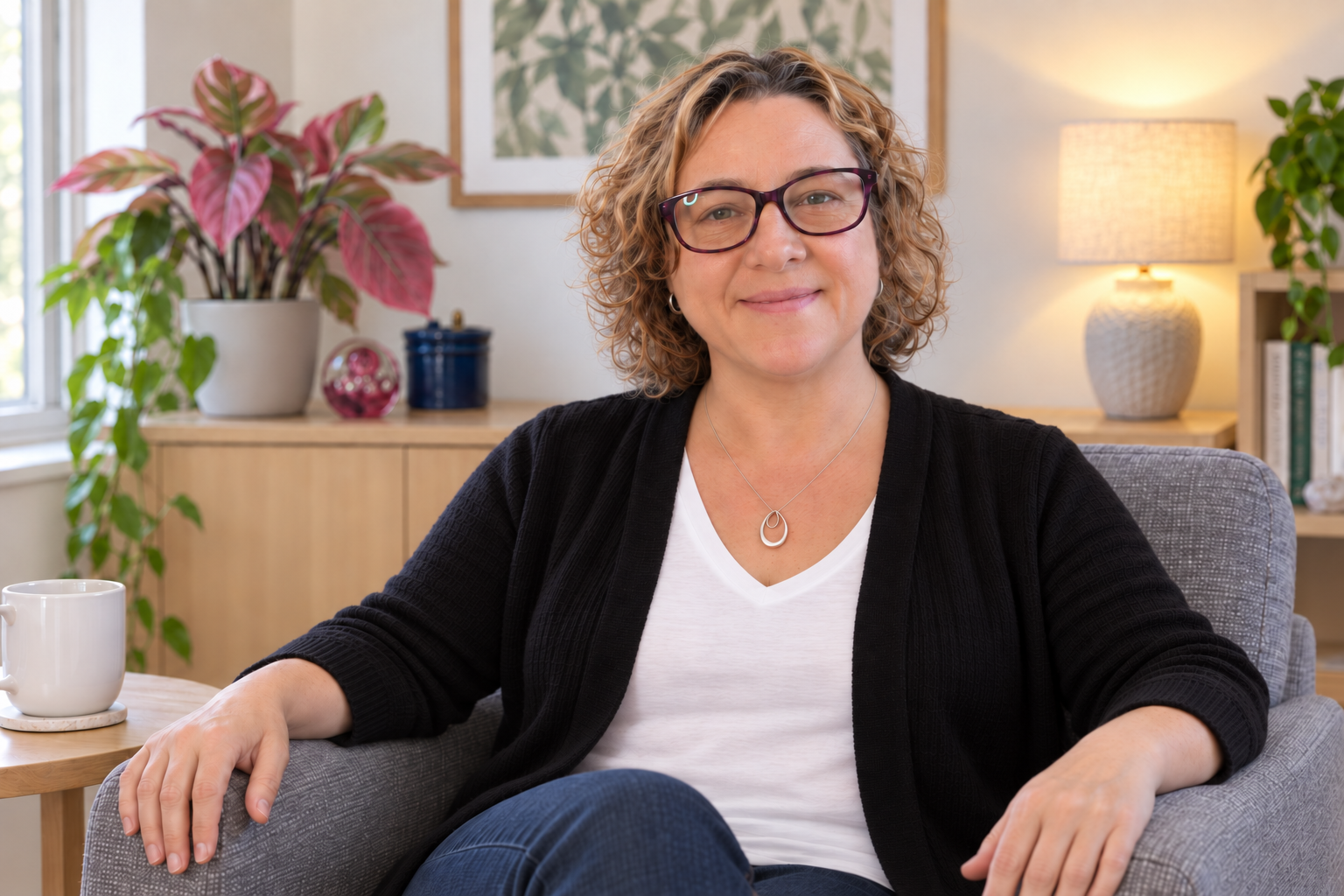
About Stephanie
“I’m interested in helping adults deeply understand themselves and see the strengths that they have. Then we can work on creating a life that suits them rather than trying to squish back into a box that was never made for them.”
Registered Psychologist, 17 years experience working with adult ADHD and AuDHD and lived experience as a late diagnosed ADHDer.
Read moreReady when you are
You don't need to have it all figured out before we talk. If something here resonated, the next step is simple.
Telehealth across Australia · Medicare rebate available with a referral · AHPRA registration: PSY0001639062